HEADLINES
Wed, Oct 14, 2026


The Newsroom Ng



Nigeria, Remove the Log in your Eye...
By abidemi ADEBAMIWA
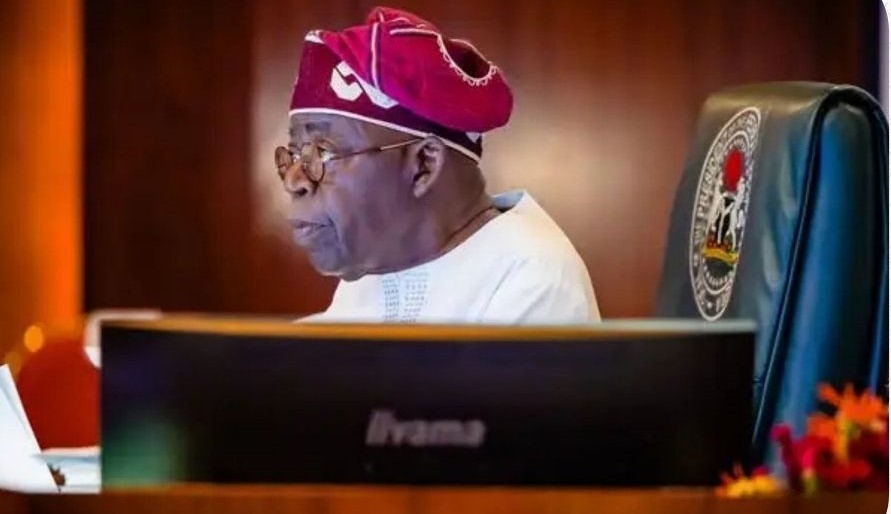 President Bola Tinubu
Nigeria may yet prepare to send troops abroad after the Senate approved the deployment of soldiers to support a neighboring government that survived a coup attempt. The move is being framed as a continuation of Nigeria’s long-standing role in regional peacekeeping. But it comes at a time when many Nigerians cannot travel safely, attend school freely, or farm their land without fear. It is difficult to speak of defending other democracies while insecurity at home continues to deepen.
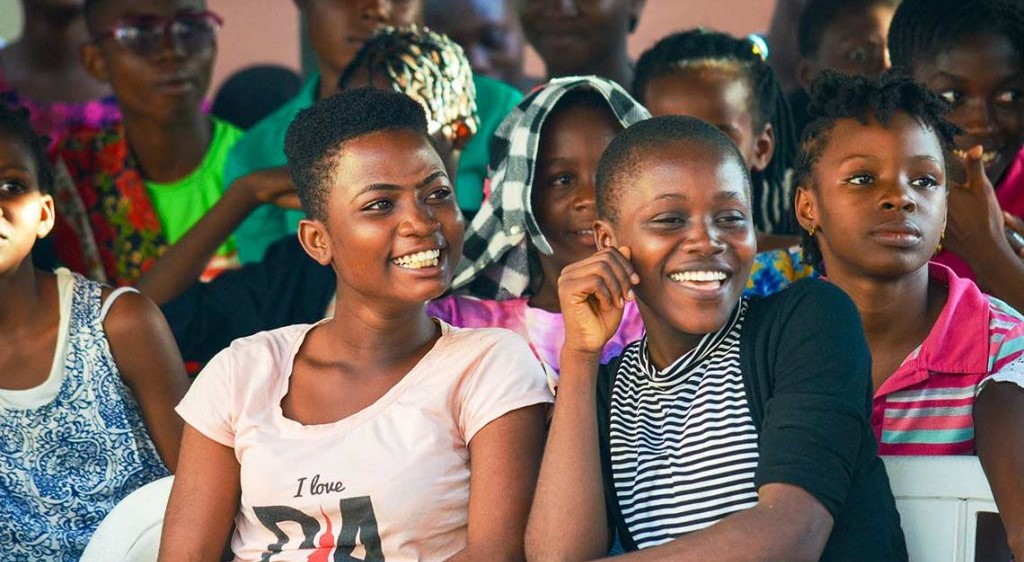
Across northern Nigeria, violence is now a lived reality, not a distant headline. In November 2025, more than 300 schoolchildren and teachers were abducted from St. Mary’s Catholic School in Papiri, Niger State in one of the largest school kidnappings since Chibok. In August, over 50 villagers were taken in a single night raid in Zamfara, forcing families to flee and leaving farmlands abandoned. These events are part of an unbroken chain of attacks that have disrupted food production, emptied communities, and weakened local economies.
Nigeria’s political space is also shrinking in ways that weaken the foundation of democratic competition. Political party migration has sharply increased under the current administration, with elected officials crossing into the ruling party immediately after victories or leadership changes. These movements are driven by access to power, not the pursuit of ideas, and they have left the opposition weaker than at any point in recent memory. The behavior reflects a political culture shaped by survival, not ideology, and it erodes the credibility of the democratic process itself.
Stable democracies do not normalise mass defections or allow insecurity to undermine public life while projecting themselves as guardians of regional order. In countries like the United States, Britain, Germany, and France, entire blocs of politicians do not abandon their parties simply because one side holds federal power. Leaders in those countries would struggle to justify foreign engagements while their own domestic institutions faced similar cracks. Nigeria now faces a widening gap between the image it presents abroad and the conditions its citizens face at home.
Nigeria needs a clear recommitment to internal security and democratic strength before it can claim any moral authority beyond its borders. A nation struggling to protect schools, farms, and villages cannot pretend to be the region’s stabilising force. A democracy losing its competitive edge cannot lecture others about political order. Nigeria’s first responsibility is to its own people, and no foreign mission should distract from that urgent truth.
News in Pictures


Copyright 2026, Thenewsroom.ng
Comments
Be the first to comment on this post
Leave a Reply