




Nigeria leads Group to demand IMF Reforms, Debt Relief, $300bn Climate Financing
By ruth MALAGU
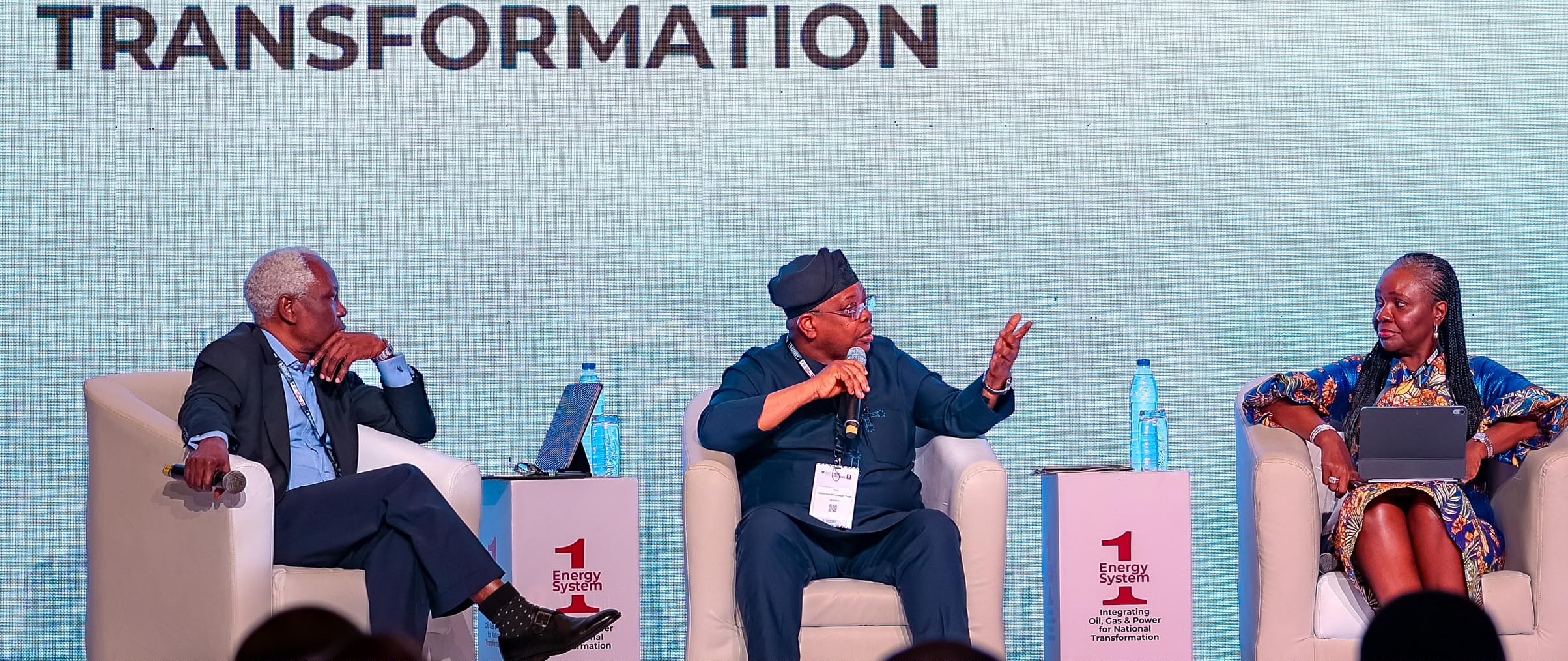
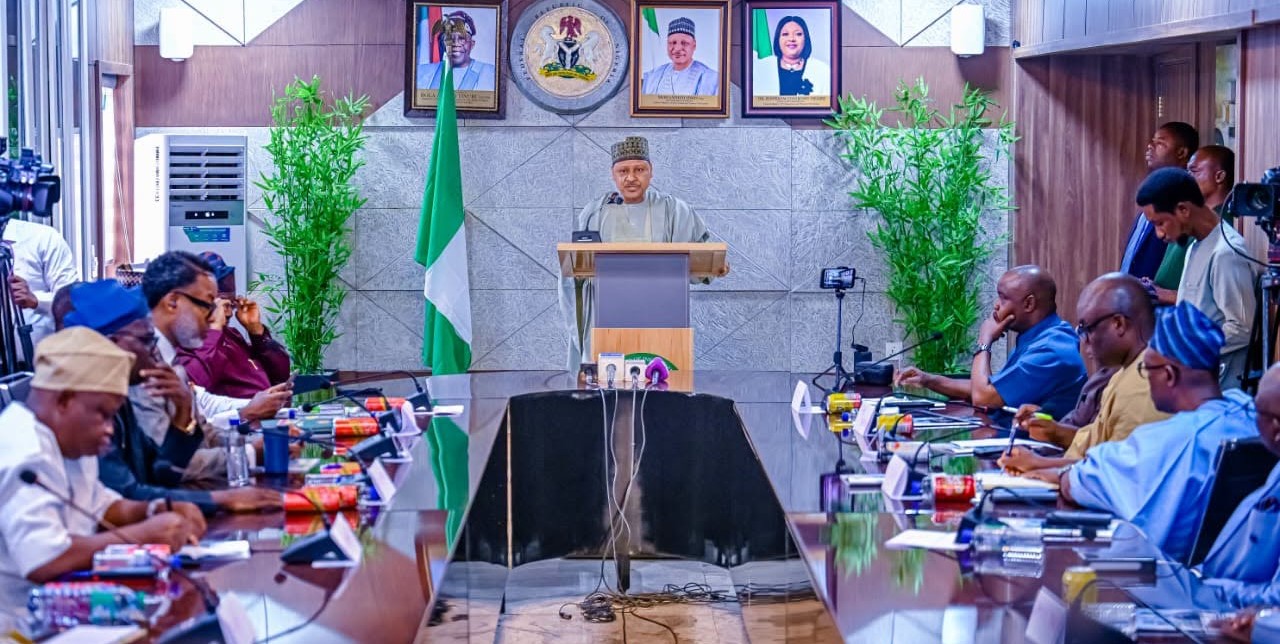
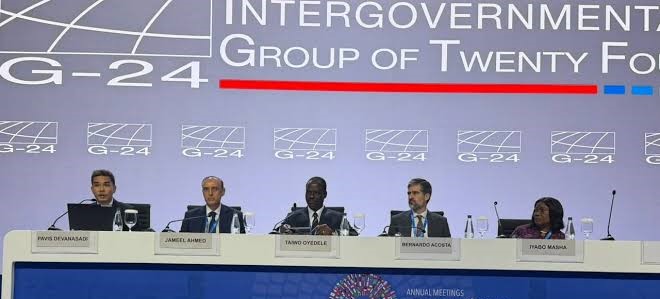 Minister of Finance, Taiwo Oyedele Chairing the Group of Twenty-Four (G-24) at IMF–World Bank Meetings
Developing countries have demanded sweeping reforms of the International Monetary Fund (IMF), improved debt relief mechanisms and increased climate financing under Nigeria’s leadership of the Group of Twenty-Four (G-24).
The demands were contained in the communiqué issued by the group’s 116th ministerial meeting in Bangkok, Thailand.
Nigeria’s Minister of Finance and Coordinating Minister of the Economy, Taiwo Oyedele, chaired the meeting held during the IMF–World Bank Annual Meetings.
The group called for reforms that would strengthen developing countries’ representation in global financial institutions and improve their access to affordable development financing.
It warned that geopolitical tensions, rising commodity prices, trade restrictions and increasingly frequent extreme weather events were threatening economic stability.
According to the communiqué, these developments were raising borrowing costs, weakening currencies and increasing debt distress in emerging markets and developing economies.
The ministers expressed particular concern about highly indebted countries struggling with limited fiscal resources, external financing pressures and declining development assistance.
They consequently urged the IMF to accelerate reforms of its quota system to reflect changing economic realities and strengthen developing countries’ voting power.
It insisted that the reforms must protect the representation of emerging economies and the world’s poorest countries.
The ministers also urged the IMF to adopt greater flexibility in designing financial assistance programmes for countries facing economic difficulties.
They maintained that IMF-supported programmes should safeguard social spending, encourage investment and avoid excessive adjustments capable of undermining economic recovery.
On sovereign debt, the group warned that mounting repayment obligations were restricting developing countries’ capacity to finance infrastructure, healthcare, education and economic transformation.
“Debt vulnerability is a major barrier to inclusive growth in many developing economies,” the communiqué stated.
The ministers consequently advocated more predictable debt restructuring, greater transparency, improved credit-rating assessments and stronger coordination among creditors.
They welcomed initiatives aimed at strengthening sovereign debt management, including a new borrowers’ platform supported by the United Nations Conference on Trade and Development.
The group also urged the World Bank to expand affordable financing through innovative instruments, including guarantees, risk-sharing arrangements and mechanisms for mobilising private investment.
It emphasised the importance of strengthening domestic capital markets and expanding lending in local currencies to reduce foreign-exchange risks.
On climate change, the ministers demanded full implementation of the international commitment to mobilise at least 300 billion dollars annually in climate finance by 2035.
They stressed that developed countries should lead efforts to deliver the financing while substantially increasing resources for climate adaptation.
The group further called for stronger international cooperation against tax avoidance, profit shifting and illicit financial flows that undermine developing countries’ revenues.
Nigeria’s Permanent Secretary in the Federal Ministry of Finance, Raymond Omachi, chaired the G-24 deputies’ meeting earlier, while Central Bank Governor, Olayemi Cardoso participated in the ministerial discussions.
Credit NAN: Texts excluding Headline



Comments
Be the first to comment on this post
Leave a Reply