




Thinking of Building Wealth? Stop Waiting to feel Rich!
By gloria ONOSODE
 Gloria Onosode
A common view of wealth creation is that you first become
financially comfortable, and then you start building wealth.
For some people, that can mean waiting for the next promotion, a better-paying job, a more successful business or a time when the living costs take up less of their income. The problem is that “enough” can keep moving. As income increases, so do responsibilities, expectations and, often, lifestyle.
In an environment where households are managing significant expenses across food, housing, transportation, education and other essentials, building wealth requires a different mindset. It cannot simply be something we do when we have excess money. It has to become a financial habit built around the money we have today.
Wealth creation does not begin with having a lot of money. It begins with
having a plan for the money you have. An important starting point is to build
financial resilience. Before considering more complex investments, individuals
should understand their cash flow, manage recurring expenses, reduce
unnecessary spending and, where possible, establish an emergency reserve. For
someone earning a salary, this may mean automatically separating part of their
income when it arrives. For a freelancer or gig worker with irregular earnings,
it may mean saving more during stronger months to provide a buffer during
weaker ones.
The amount may initially appear small, but consistency matters. Saving ₦5,000
or ₦10,000 regularly may not feel like wealth creation today, but it can
represent the beginning of a financial habit that can be sustained and
increased as income grows.
Digital financial products can support this discipline by giving people
different ways to organise their money around specific goals. FairMoney offers
savings products, including FairSave, FairTarget and FairLock, which provide
customers with different ways to organise their savings, subject to applicable
product terms, conditions and eligibility requirements. These products offer
customers different ways to organise savings around general needs, specific
goals or defined periods, subject to the applicable product terms and
conditions.
The broader lesson is more important than any individual product. Money
intended for tomorrow should not always sit in the same place as money
available for today's spending. But saving is only one part of the equation.
The next is understanding credit.
Credit can play an important role in helping individuals manage legitimate
financial needs. Used responsibly, it can help individuals manage legitimate
short-term cash-flow needs or access funds for purposes that fit within their
repayment capacity. But borrowing should never be treated as an extension of
income. This distinction is particularly important as digital access to credit
becomes easier.
Before taking a loan, consumers should consider the purpose of the borrowing,
whether it is appropriate for their circumstances, the total cost of the
borrowing and whether the repayment schedule fits comfortably within their
expected income. FairMoney provides credit products to eligible customers,
alongside savings and banking services. The important consideration for consumers
is not simply whether credit is available, but whether a particular facility is
appropriate for their circumstances and whether they can repay it responsibly.
This is where financial literacy becomes critical. The Central Bank of
Nigeria’s consumer protection framework emphasises the importance of consumers
understanding financial products and their obligations, particularly regarding
repayment. . The framework also recognises consumer’s right to receive
complete, relevant and truthful information about financial products and their
terms.
Responsible borrowing therefore means borrowing for a defined purpose, taking
only what is necessary and ensuring repayment does not undermine essential
expenses or existing financial commitments. It also means resisting the
temptation to use one loan to fund another unless there is a clear and
sustainable repayment strategy.
The same discipline should apply to lifestyle. A potential barrier to wealth
creation is lifestyle inflation. An increase in income can quickly translate
into more expensive meals, more frequent trips, higher subscriptions, upgraded
devices and other expenses that gradually absorb the additional income.
There is nothing wrong with improving your quality of life. The challenge is
allowing every increase in income to become an increase in spending. A better
approach is to divide income growth between today and tomorrow. Enjoy some of
the increase, but direct part of it towards savings, financial goals,
productive assets or other appropriate long-term plans.
Ultimately, wealth is less about appearing financially successful and more
about creating financial options. People building an emergency fund, saving
consistently, understanding credit and controlling lifestyle inflation may not
look wealthy today. But they are building something important: financial
resilience.
We should therefore stop waiting for the moment when we finally “feel rich.”
That moment may never arrive. The better question is, “What can I do with the
money I have today to make my financial position stronger tomorrow?”
For many people, building wealth is unlikely to happen through one dramatic
financial decision. It will come from hundreds of small, informed decisions
repeated over time — saving when possible, spending intentionally, borrowing
responsibly and gradually putting money to productive use. You do not need to
feel rich to start building wealth. You need to start building the habits that
make wealth possible.
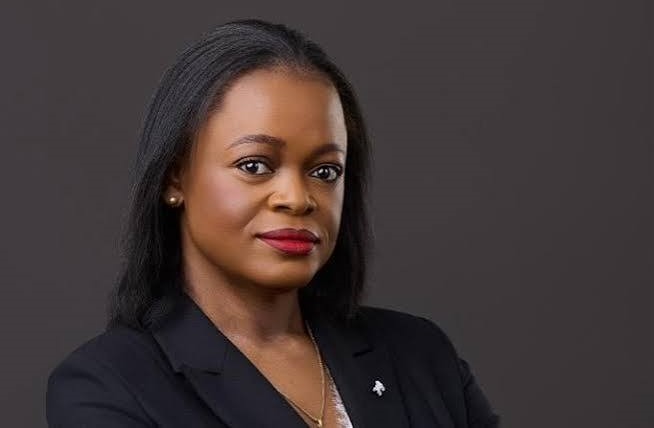
Gloria Onosode is Director, Enterprise Sales, FairMoney Business





Comments
Be the first to comment on this post
Leave a Reply